Introduction
In the ever-evolving landscape of telecoms and information interaction, the foundation of efficient operations lies in selecting the right hardware. Amongst these important components are compatible optical transceivers, which play a critical function in making sure smooth information transfer over long distances. With the rise of high-speed networks and increasing information needs, business should make educated decisions when it comes to picking optical transceivers that line up with their networking infrastructure.
This detailed guide will delve into everything you require to learn about selecting suitable optical transceivers for your enterprise. We'll check out the complexities of optical transceivers, their compatibility with various devices, and how they incorporate into your wider telecom and data-com connectivity method. By the end of this post, you'll be fully equipped to make educated choices for your organization's networking needs.
Understanding Optical Transceivers
What Are Optical Transceivers?
Optical transceivers are compact devices that help with communication over fiber optic cable televisions. They transform electrical signals into optical signals and vice versa, enabling high-speed data transmission across large ranges. These devices are important for modern-day networking systems, particularly in environments where bandwidth is critical.
The Function of Fiber Optic Cables Supplier
Fiber optic cable televisions work as the medium through which these signals travel. Collaborating with a reputable fiber optic cables supplier ensures you have access to top quality products that Fiber optic cables supplier can support your network's performance requirements. Quality cables can substantially impact the total efficiency of your optical transceivers.
Types of Optical Transceivers
SFP (Small Form-Factor Pluggable)
SFPs are commonly utilized in enterprise networking hardware due to their adaptability and compact size. They offer accelerate to 1 Gbps and can support different kinds of connections, making them ideal for varied applications.
SFP+ (Improved Small Form-Factor Pluggable)
Building on the SFP requirement, SFP+ supports accelerate to 10 Gbps and is commonly used for connecting open network switches in information centers. Their increased capabilities https://search.google.com/local/reviews?placeid=ChIJY08Y5ojLj4ARlkjHwWCIKj0 make them appropriate for high-performance computing environments.
QSFP (Quad Small Form-Factor Pluggable)
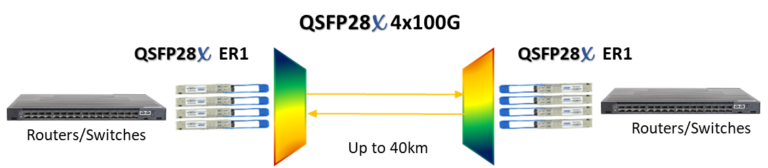
Designed for even greater efficiency, QSFP modules can manage accelerate to 40 Gbps or more by using several channels concurrently. This type is necessary for large enterprises requiring considerable bandwidth.
Choosing Compatible Optical Transceivers: What Enterprises Need to Know
When it comes down to selecting compatible optical transceivers, several factors enter play:
Compatibility with Existing Hardware: Guarantee that the transceiver you pick lines up completely with your existing enterprise networking hardware Not all transceivers work with every switch or router; hence examining requirements is vital.
Performance Requirements: Evaluate your organization's bandwidth needs. Will you be processing big amounts of information regularly? If so, choose higher-capacity modules such as QSFPs.
Distance Considerations: Various transceiver types support varying distances-- some are enhanced for short-range connections while others stand out over cross countries. Understand your functional scope before making a purchase.
Cost-Effectiveness: While it may be tempting to go for less expensive alternatives, buying quality compatible optical transceivers from relied on providers will conserve expenses related to upkeep and replacement down the line.
Future-Proofing Your Network: Technology progresses rapidly; choose parts that not only satisfy current requirements but can likewise accommodate future growths or upgrades without significant extra expenses.
Vendor Support: Choose suppliers who use excellent customer care and support ought to concerns occur throughout installation or operation.
Benefits of Using Suitable Optical Transceivers
Cost Savings Without Jeopardizing Quality
Compatible optical transceivers permit companies to decrease expenses significantly compared to using branded alternatives without sacrificing performance or dependability. Many third-party makers produce high-quality options at a fraction of the price.
Flexibility in Networking Solutions
With compatible options offered throughout different specifications, business can blend and match according to their unique requirements-- providing unequaled flexibility in designing network facilities customized specifically for their needs.
Integrating Optical Transceivers Into Your Network
Assessing Your Present Infrastructure
Before introducing new optical transceivers into an existing system, conduct a comprehensive assessment of current hardware configurations-- including switches, routers, and multiplexers-- to figure out compatibility levels accurately.
Testing New Equipment Before Deployment
It's always recommended to check brand-new hardware within regulated settings before major implementation within production environments-- this helps determine prospective incompatibilities early on without interfering with company operations.
Common Errors When Choosing Optical Transceivers
Rushing Decisions Based upon Price Alone
Opting exclusively based on lower prices might yield instant savings however could result in long-lasting issues if those options don't line up well with existing systems or fail under load conditions.
Ignoring Technical Specifications
Failing to pay attention to details like wavelength compatibility, range ratings, or port types can result in dreadful network failures-- constantly consult technical datasheets carefully!
FAQs about Suitable Optical Transceivers
1. What work optical transceivers?
Compatible optical transceivers refer primarily to third-party gadgets designed to function effortlessly within specified hardware environments without manufacturer branding-- frequently offering comparable efficiency at decreased costs.
2. How do I ensure compatibility when purchasing?
To guarantee compatibility when purchasing optical transceivers:
- Verify hardware specifications. Consult vendor documentation. Use resources provided by fiber optic cable televisions suppliers detailing supported models.
3. Exist risks associated with using non-branded products?
While lots of non-branded items carry out well under normal conditions possible dangers include:
- Limited guarantee coverage. Potential compatibility concerns leading downtime. Support limitations from initial producers if problems occur post-installation.
4. Can I utilize different brand names of optical transceiver together?
Generally speaking yes! As long as they satisfy comparable requirements relating to type element (e.g., SFP/SFP+/ QSFP), procedures (e.g., Ethernet), wavelengths etc, blending brands isn't uncommon among organizations seeking cost-efficient services without compromising quality!
5. How frequently ought to I replace my optical transceiver?
Replacement frequency depends on use strength varying anywhere from three years up relying on environmental elements impacting longevity such as temperature level changes dust ingress etc-- regular assessments will assist assess ideal replacement timing!
6. Where can I purchase reputable compatible optical transceiver products?
Reputable online marketplaces supply gain access to together with direct sales platforms preserved by makers catering particularly towards enterprise-level customers looking for robust telecom and data-com connectivity solutions!
Conclusion
Choosing compatible optical transceivers is vital for any business looking toward optimizing its networking abilities while staying cost-effective in today's competitive landscape! From understanding fundamental functionalities through assessing technical requirements involved; staying informed makes it possible for organizations like yours not only browse complexities successfully but also take advantage of innovations effectively improving general efficiency levels achieved through robust infrastructure investment strategies!
In summary:
- Prioritize multiple compatibility checks versus existing setups before devoting purchases. Emphasize quality together with cost factors to consider throughout procurement processes. Engage trusted providers familiarizing themselves thoroughly across all pertinent elements concerning optical fiber use allowing effective deployment outcomes attaining desired outcomes effectively!
By following these standards outlined here today-- you'll empower yourself towards making intelligent choices paving pathways towards future development assuredly!